Epsy is a mobile app designed to help people with epilepsy gain back their confidence while accelerating their journey to find the right treatment that works best for them.
Epilepsy is a central nervous system (neurological) disorder in which brain activity becomes abnormal, causing seizures or periods of unusual behavior, sensations, and sometimes loss of awareness. It affects three million people in the US. 30% have Drug Resistant Epilepsy (DRE) where more than two medications fail to control seizures. Whilst alternative treatments exist, it can take patients seven to twenty years to get the right treatment.

Between paper diaries and clunky apps, tracking becomes another daily burden.

Seven in ten patients don't know all their options. Knowledge shouldn't be this hard to find.

When you can't see patterns, you can't take control. And control changes everything.

Memory fades. Data doesn't. Better insights lead to better conversations with doctors.
Carers want answers too. Understanding treatment options brings everyone into the conversation.

Fifteen minutes with a doctor. Months of questions. Every appointment needs to count.


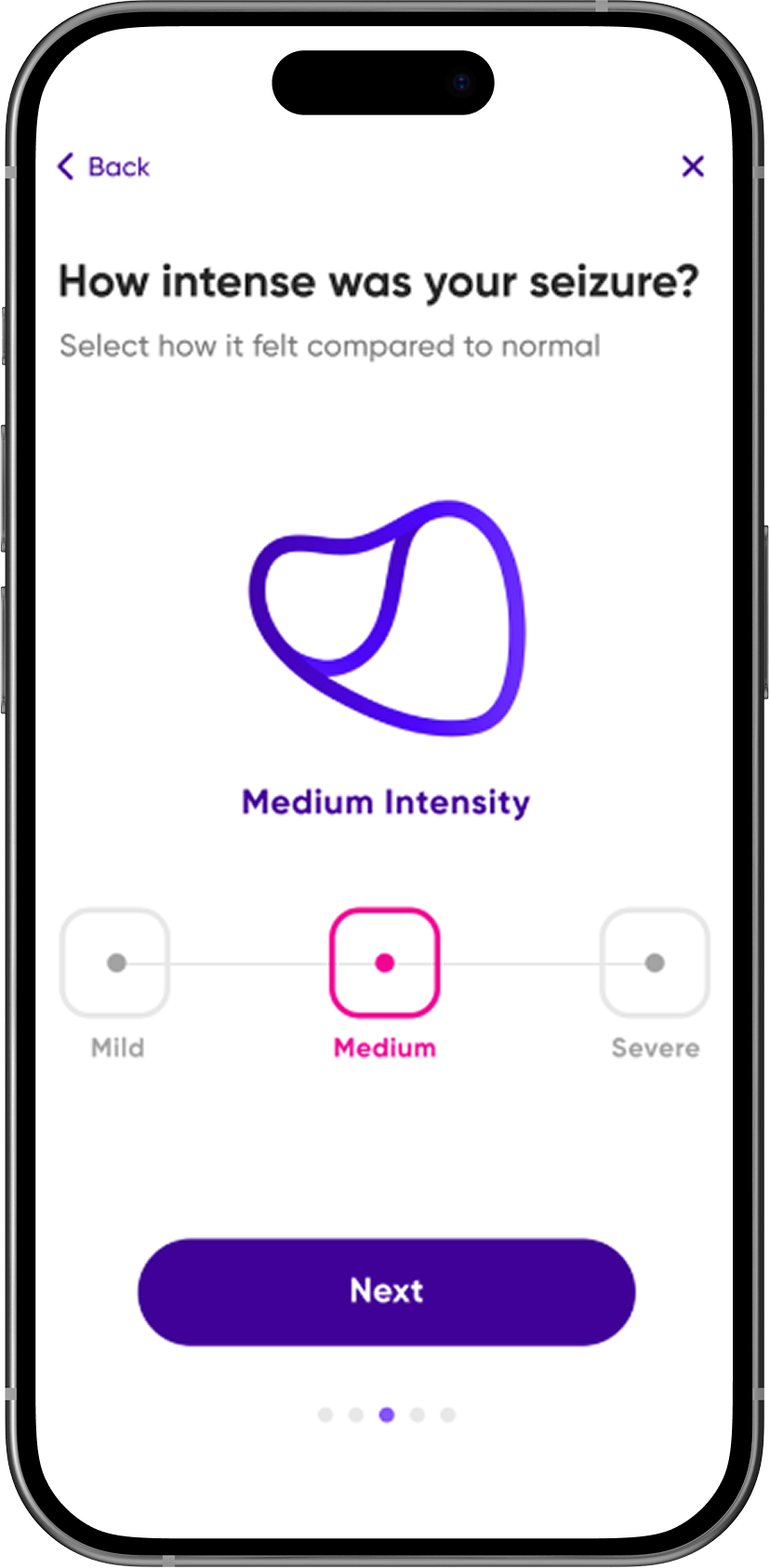
Life with epilepsy is personal. Epsy lets people track what matters to the – medication, seizures, side effects, even mood. Because the small details reveal the bigger picture.

The content space was designed to share stories, knowledge and tips and help people learn more about their condition. People used to join social channels, communities and more - I brought it into the product.
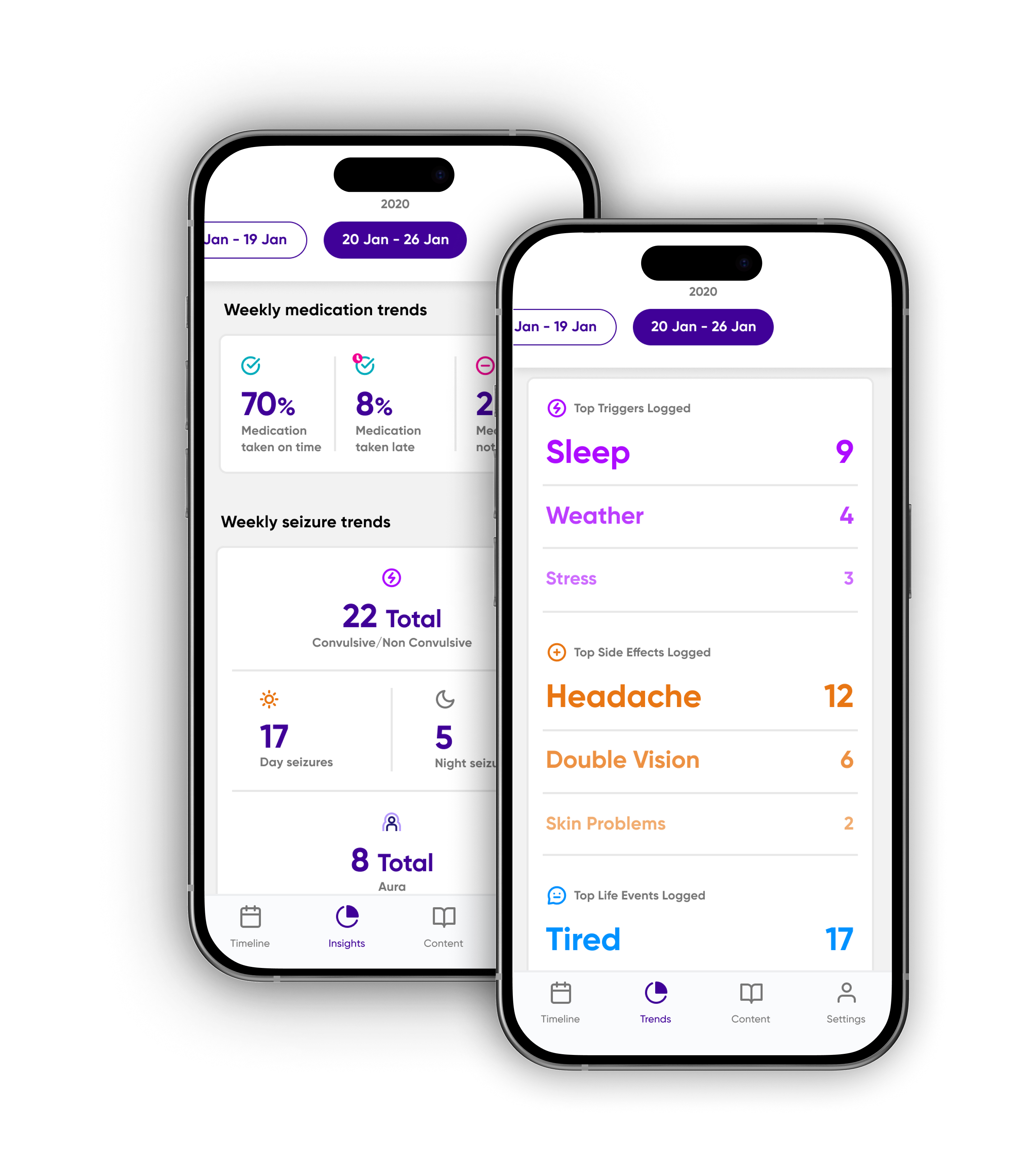
Patterns reveal what's working – I focused on color, visual hierarchy, the right symbols and a little gamification (streaks) to bring this space to life. Celebrating progress, highlighting triggers, and more helped with engagement long term.
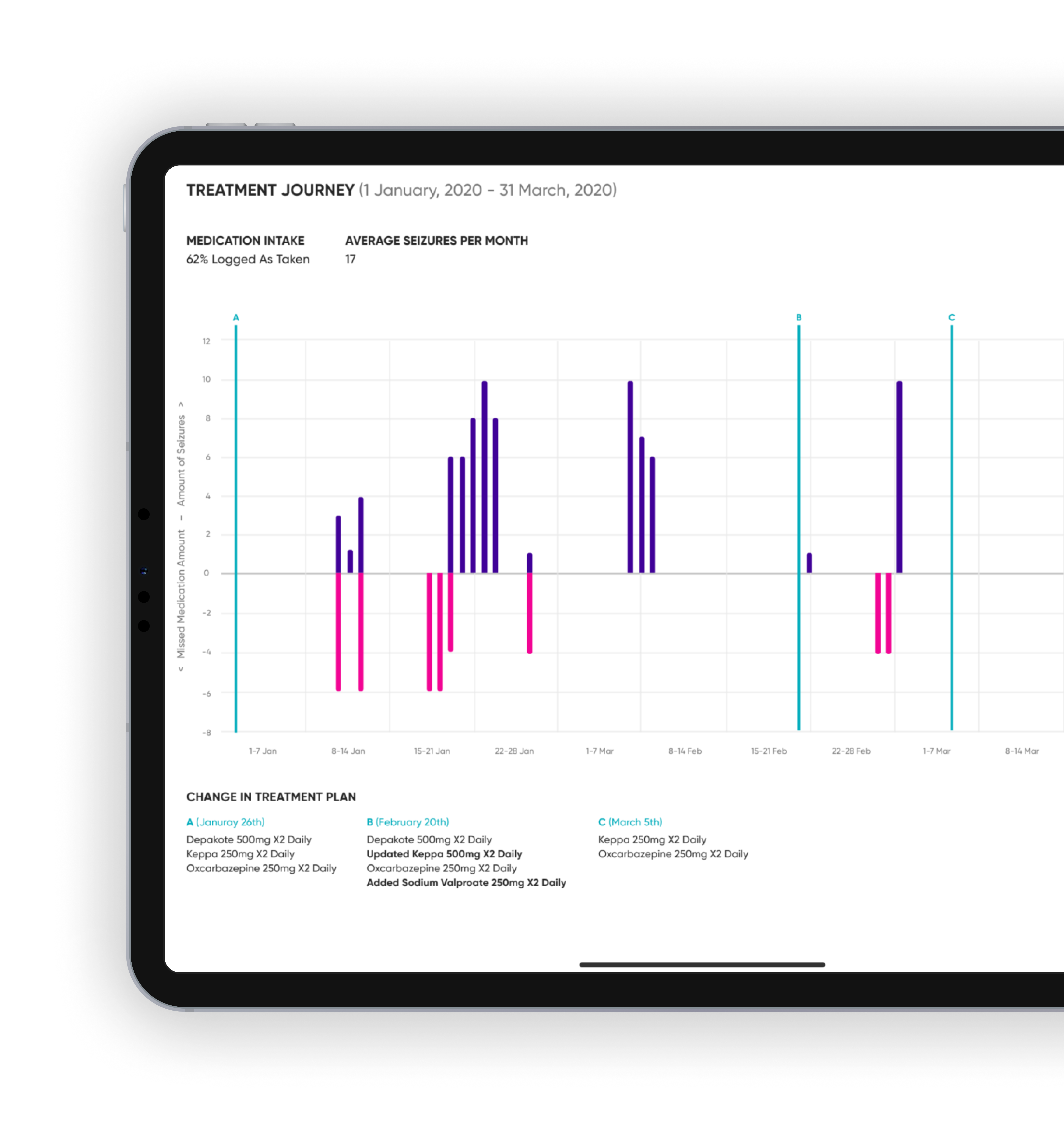
Creating meaningful conversations with the doctor is important. Epsy does exactly that. It creates the foundation for appointments and allows doctors to make better and more accurate treatment decisions.
Epilepsy is a lifelong companion. It often brings other chronic conditions with it, making each day more complex. But we learned something from people with epilepsy, the smallest moments of joy matter most. A clear answer. A kind reminder. A sense of progress. These aren't just features. They're lifelines.
Enable patient's confidence. Consistent tracking was essential. But tracking can feel like homework. So we made it effortless – quick interactions, thoughtful prompts, and just enough guidance to turn a task into a habit.

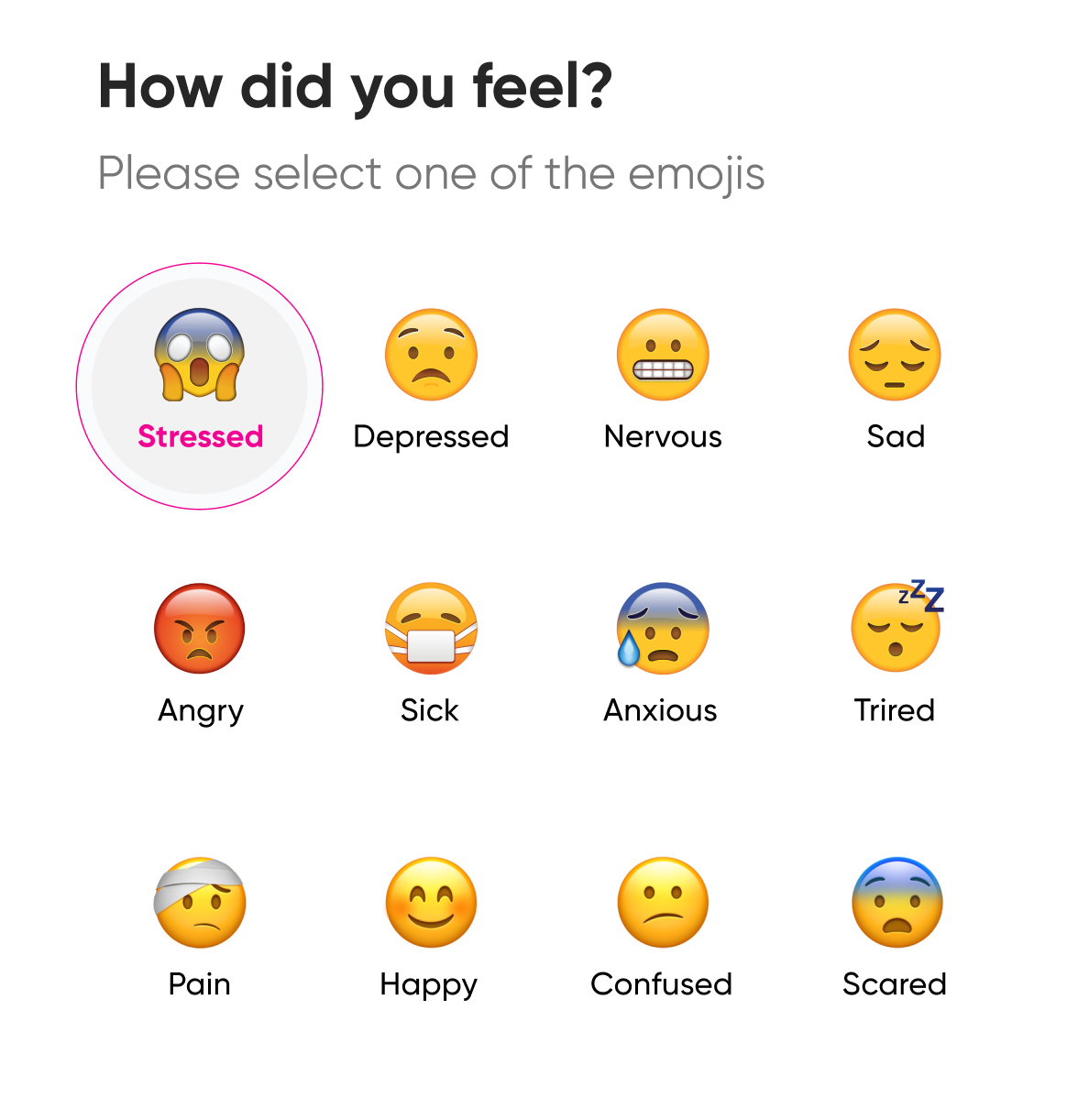
Design that feels like home. We could have reinvented everything. Instead, we chose warmth. Familiar interactions. Emojis to express emotions. Icons everyone recognises. When managing a complex condition, comfort shouldn't come from a learning curve.
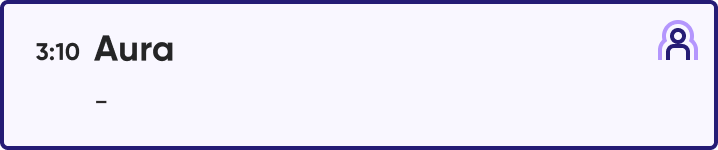

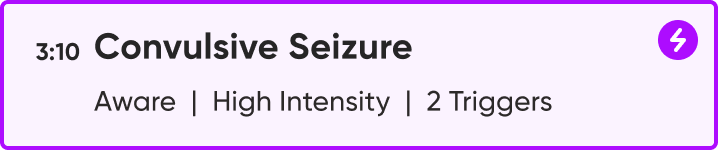

No two days are the same. Each entry gets its own personality through color-coded cards – making timelines feel personal, not clinical. Structure meets flexibility. Consistency meets character.
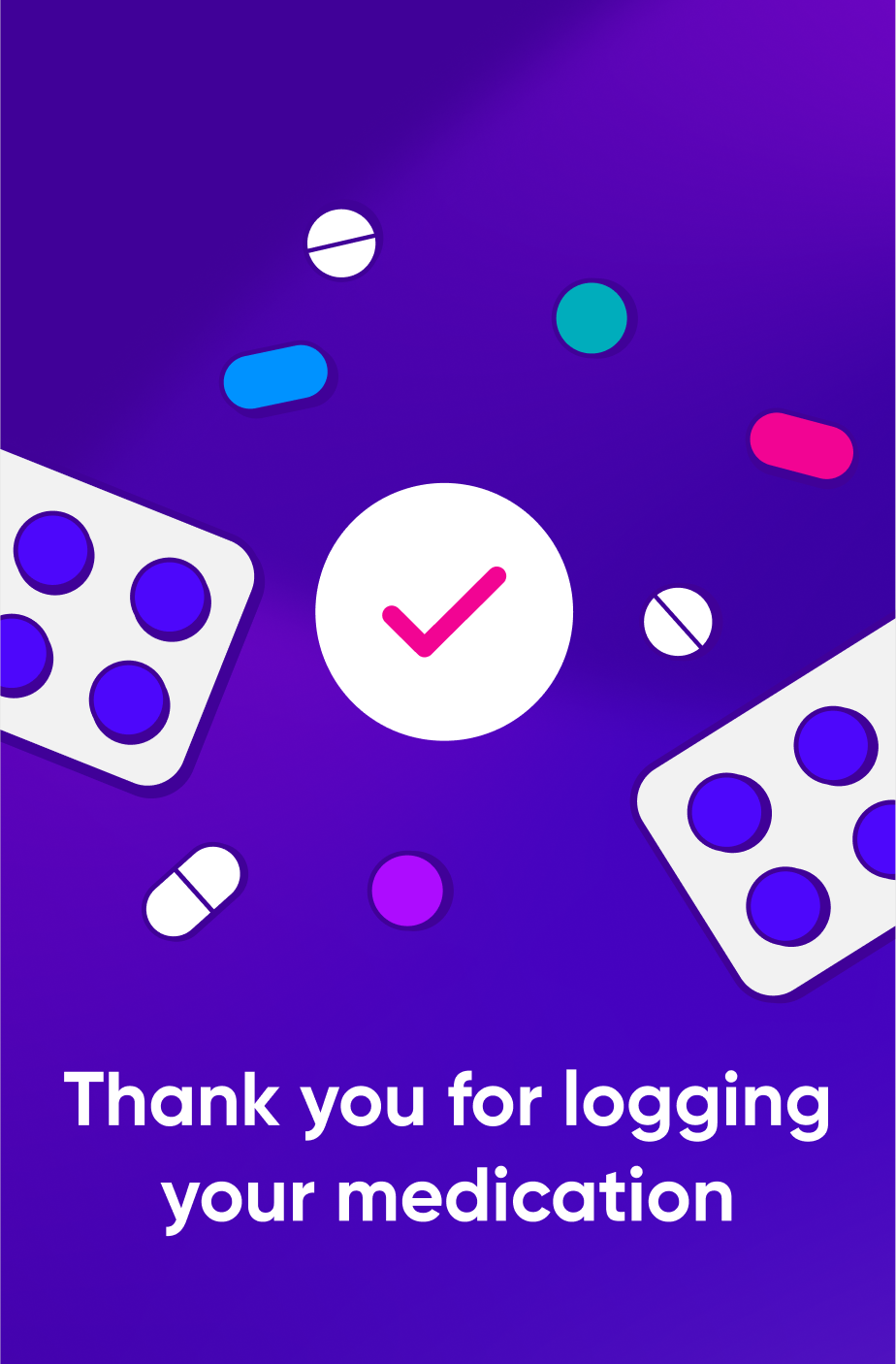
A little bit of dopamine. Every time someone logs, Epsy recognises it. Not with empty praise, but with genuine encouragement – acknowledgment that shows up when it's needed most.
Gentle reminders, not guilt trips. Building healthy habits takes time. Epsy's notifications nudge without nagging, empower without overwhelming. They show up when helpful, disappear when not.

Get to value, fast. Early on, our onboarding was losing people. Too much setup, not enough payoff. By showing value immediately and streamlining the entry point, we tripled conversion. Sometimes less really is more.
People with epilepsy juggle medications, seizures, triggers, and countless appointments – often with nothing but memory and scattered notes.
We set out to make tracking invisible. To transform raw data into clear insights. To give both people with epilepsy and their doctors a shared language. The solution wasn't one big feature. It was dozens of small, intentional choices that add up to control.
How might we...
Gain seizure control ...
"I don't really know what triggers my seizures and there are so many different things which I can't consciously track."
Who they are: Recently diagnosed and/or very severe
Where they are: Early management
Where they are: Seizure control & pattern recognition
Minimise side effects ...
"I am currently taking three different meds and I am pretty sure only one of them works for my seizures. I want to get off the other ones to avoid unnecessary side effects."
Who they are: Recently diagnosed and/or very severe
Where they are: Bad medication experience/ or failed
Where they are: Side effect reduction
Manage life-stage Changes ...
"My seizure frequency changed when I went to college. I had to adjust how to handle this change. Now, I am pregnant, seizure frequency changed again and I am worried about the medication effects on my unborn child."
Who they are: Transition stages (teen, college, etc.)
Where they are: On-going treatment
Where they are: Medication management
Receive a 360° view on treatments ...
"My child has been given the wrong dosage of meds at school and we didn't know until she got sick six weeks after. Now she's at camp and we don't know what is going on either."
Who they are: Recently diagnosed and/or very severe
Where they are: On-going treatment
Where they are: Complete visibility and control
Concept ideation
I started with a simple question: What if tracking felt effortless? Early sketches explored ways to capture the chaos of daily life, without adding to it.
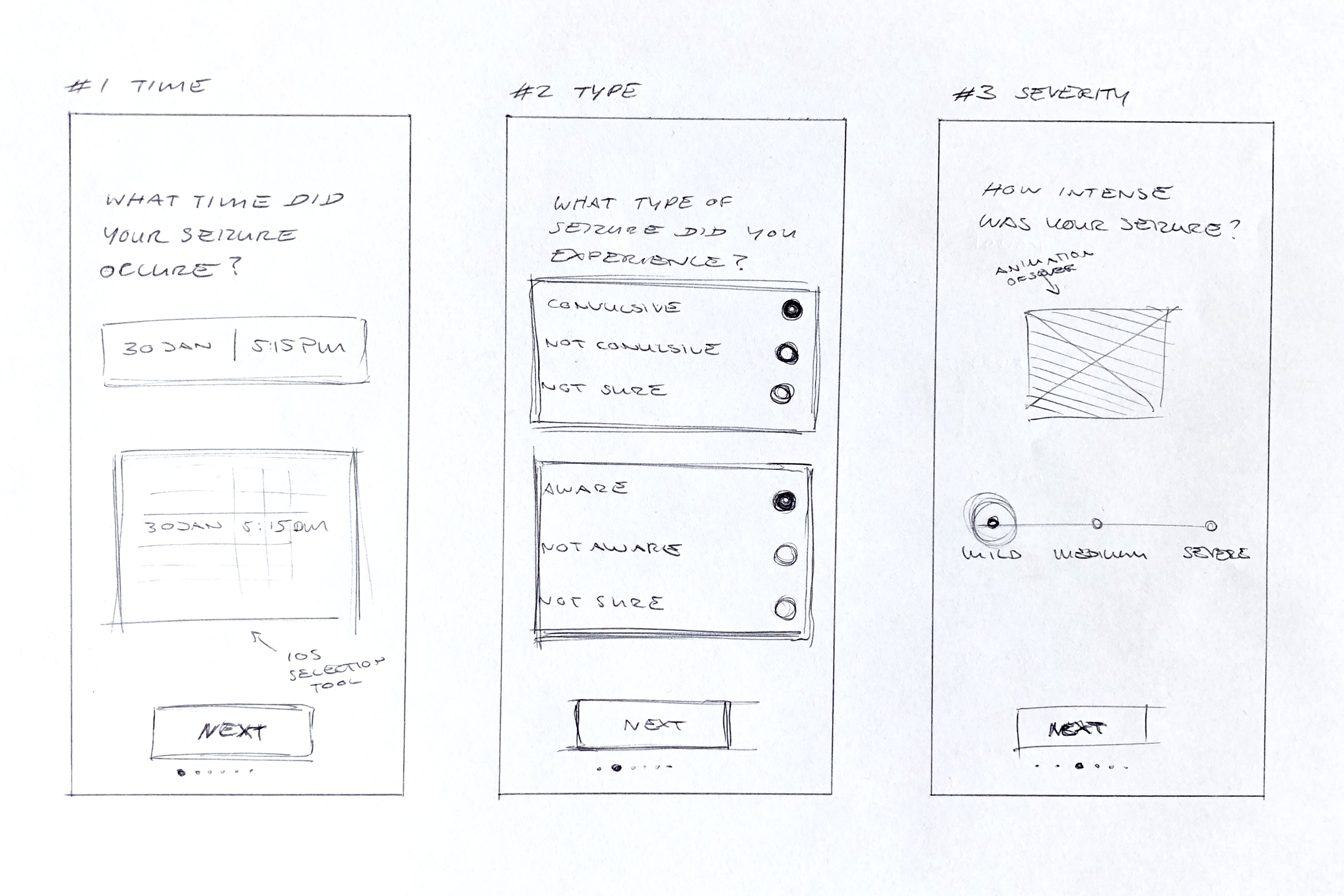
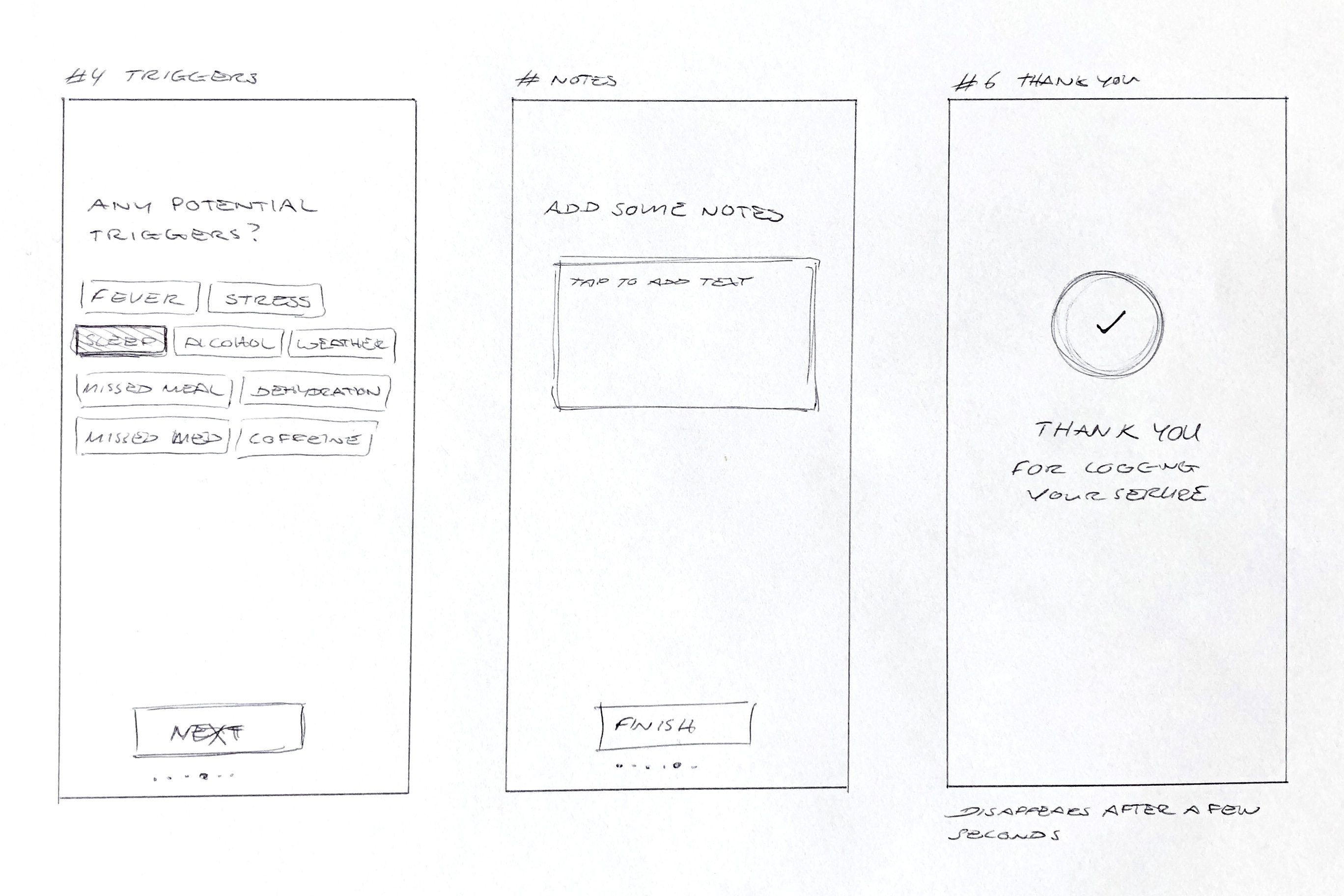
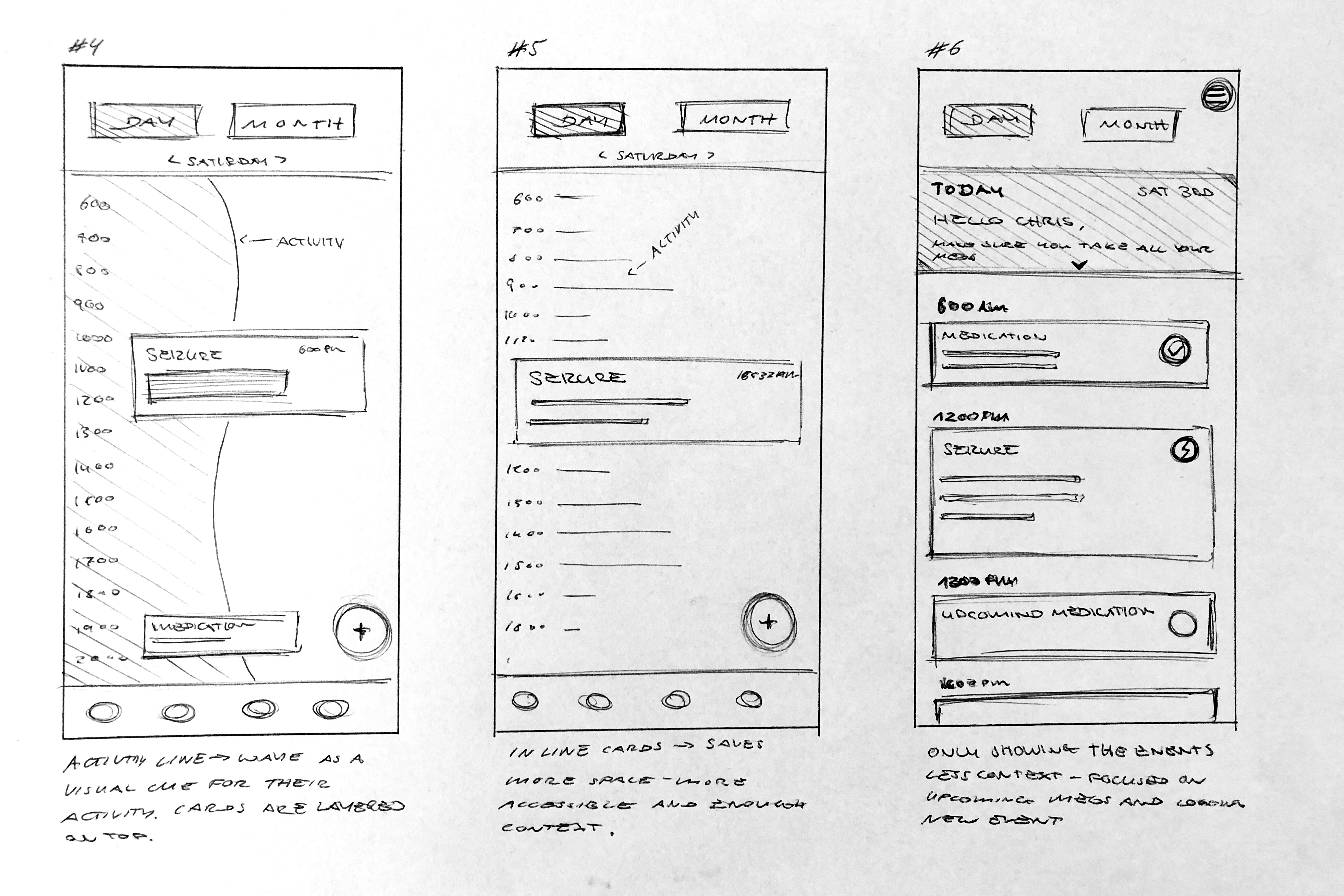
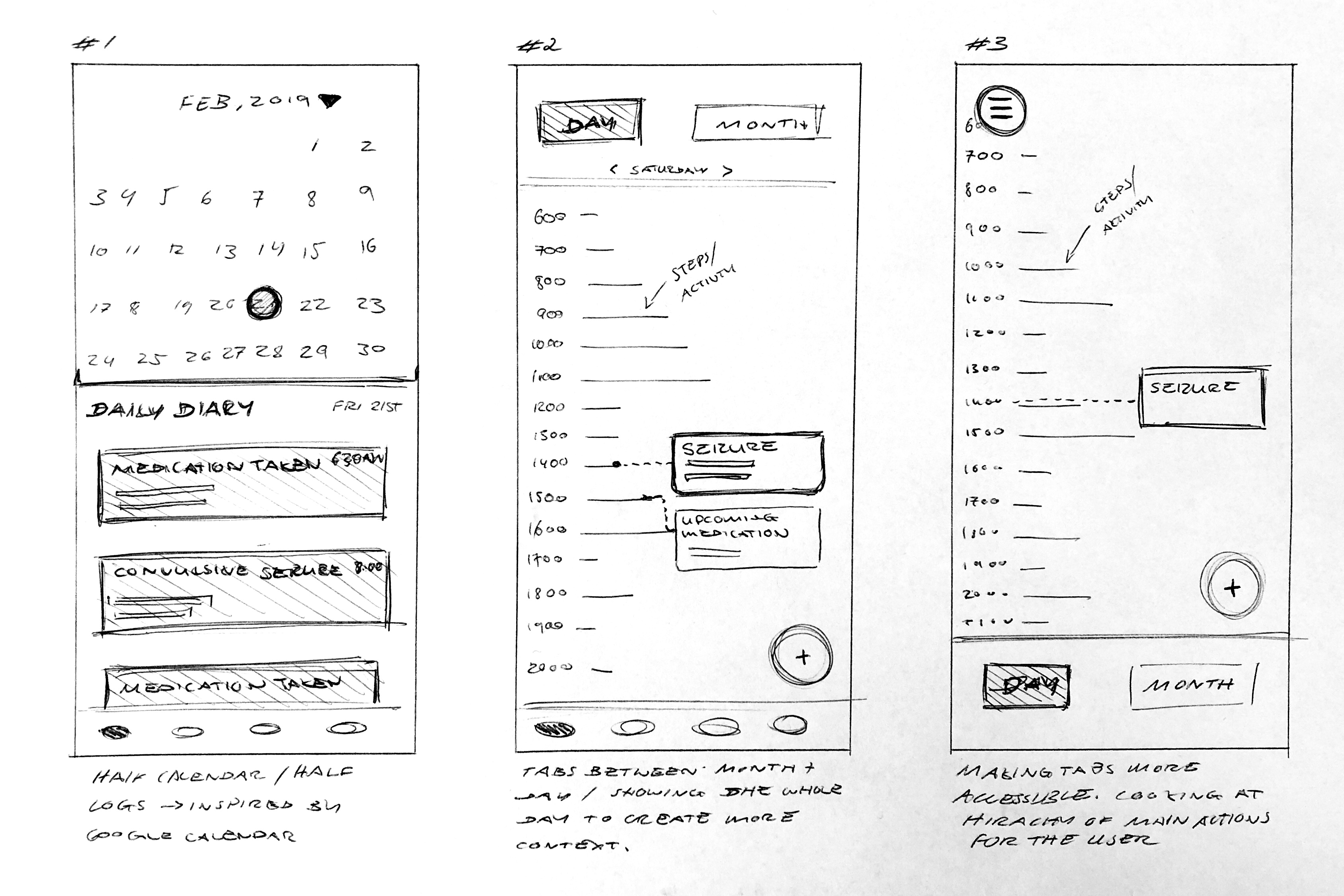
Interaction Design
Many people with epilepsy live with additional conditions – visual impairments, cognitive challenges, limited motor control. I tested multiple interaction models to ensure no one gets left behind.
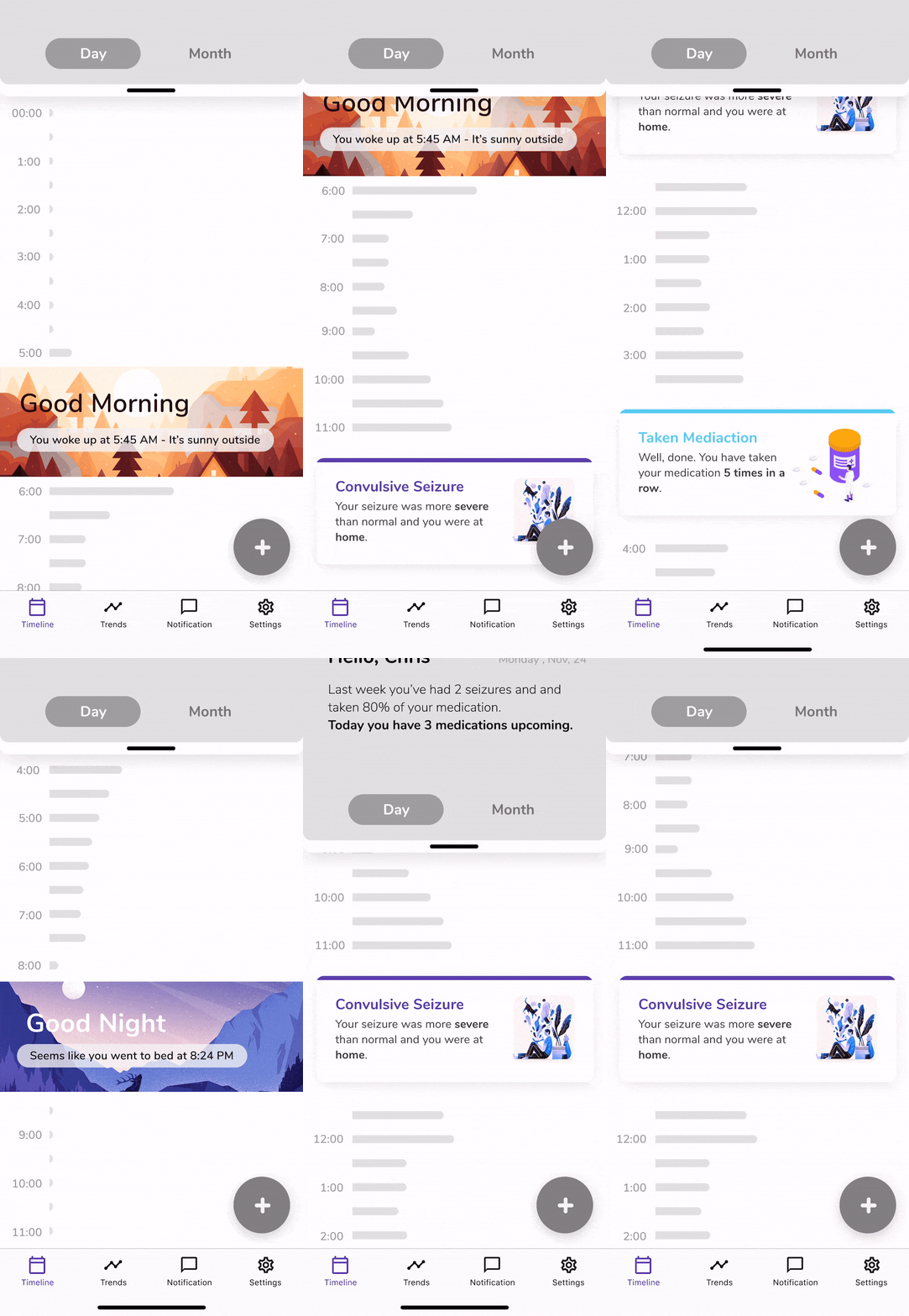
Exploring options to make the experience personal and deliver daily insights to the patient.
.gif)
Looking at different ways a patient can understand high level patterns vs. details on a daily bases.
.gif)
Diving into the parallels of a diary and a digital log. We were exploring common behaviors and metaphors.
Life isn't perfect. Data can be.
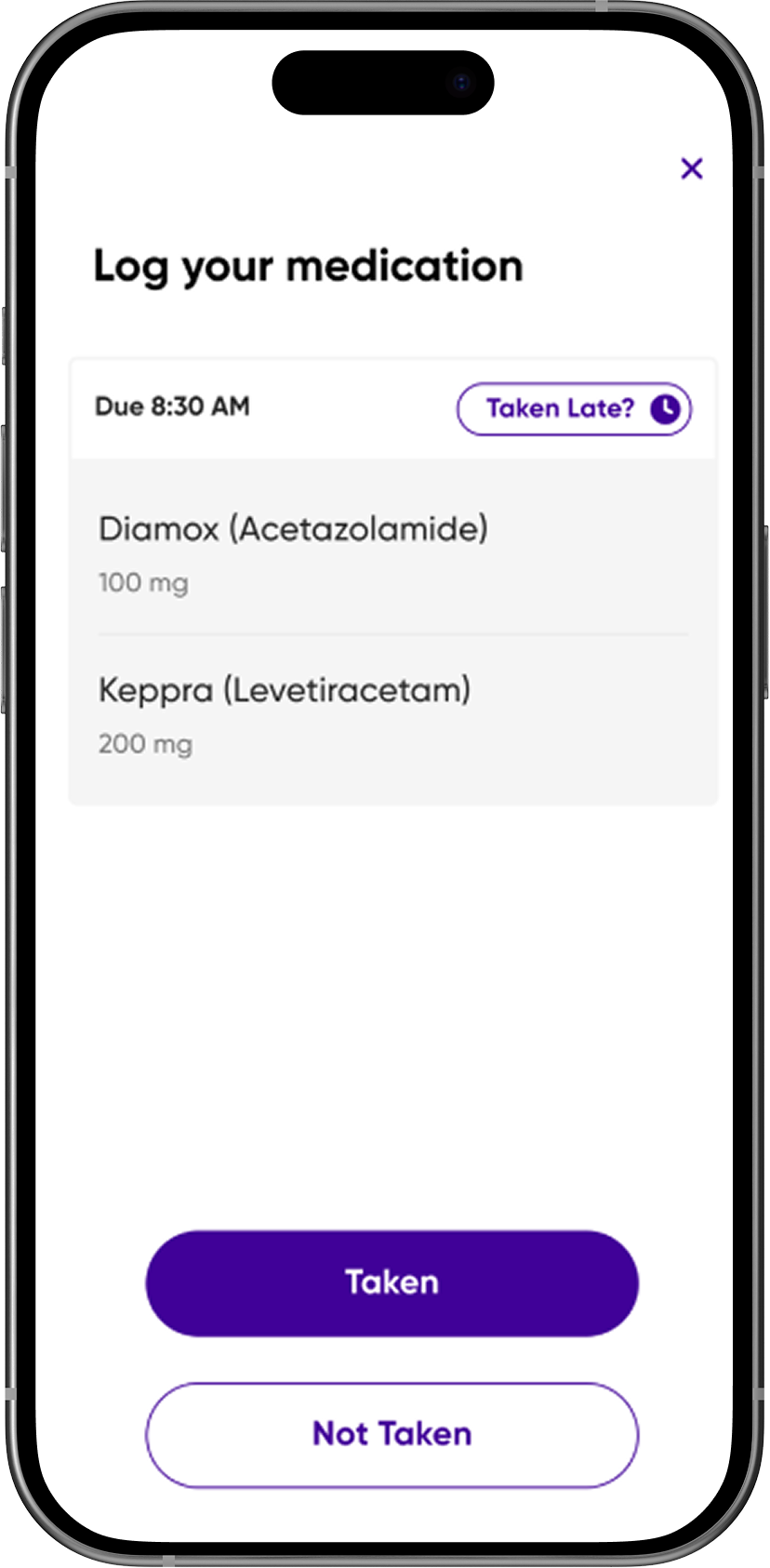
Missed a dose? Took it late? Had a seizure but didn't log it immediately? I designed for real life where timing matters, but memory doesn't always cooperate.
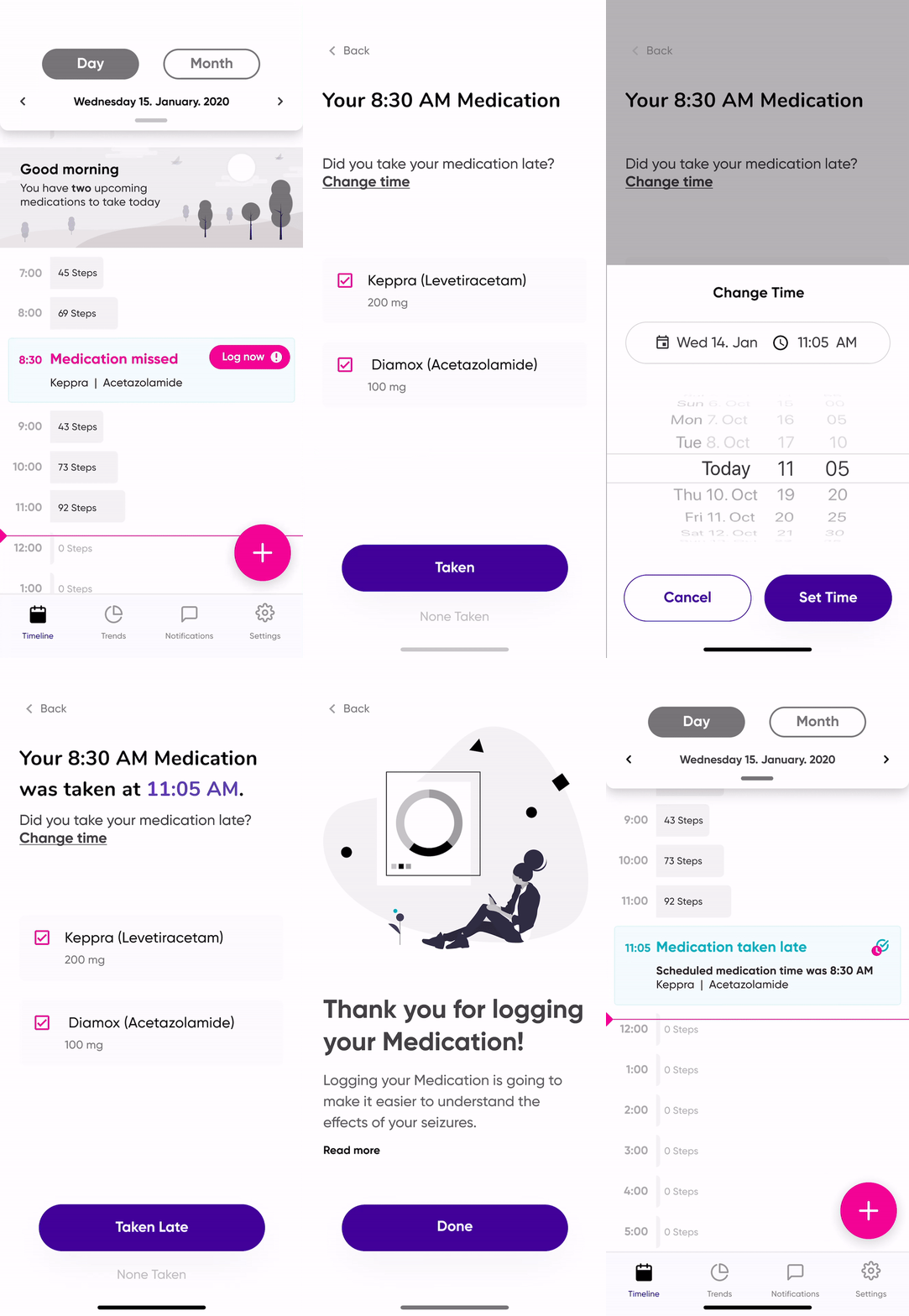
Logging the medication as late is important to understand the treatment effect.
.gif)
Talking with patients we've noticed that they often have common seizures. This flow shows a way of adding a custom seizure to shorten the logging flow in the future.
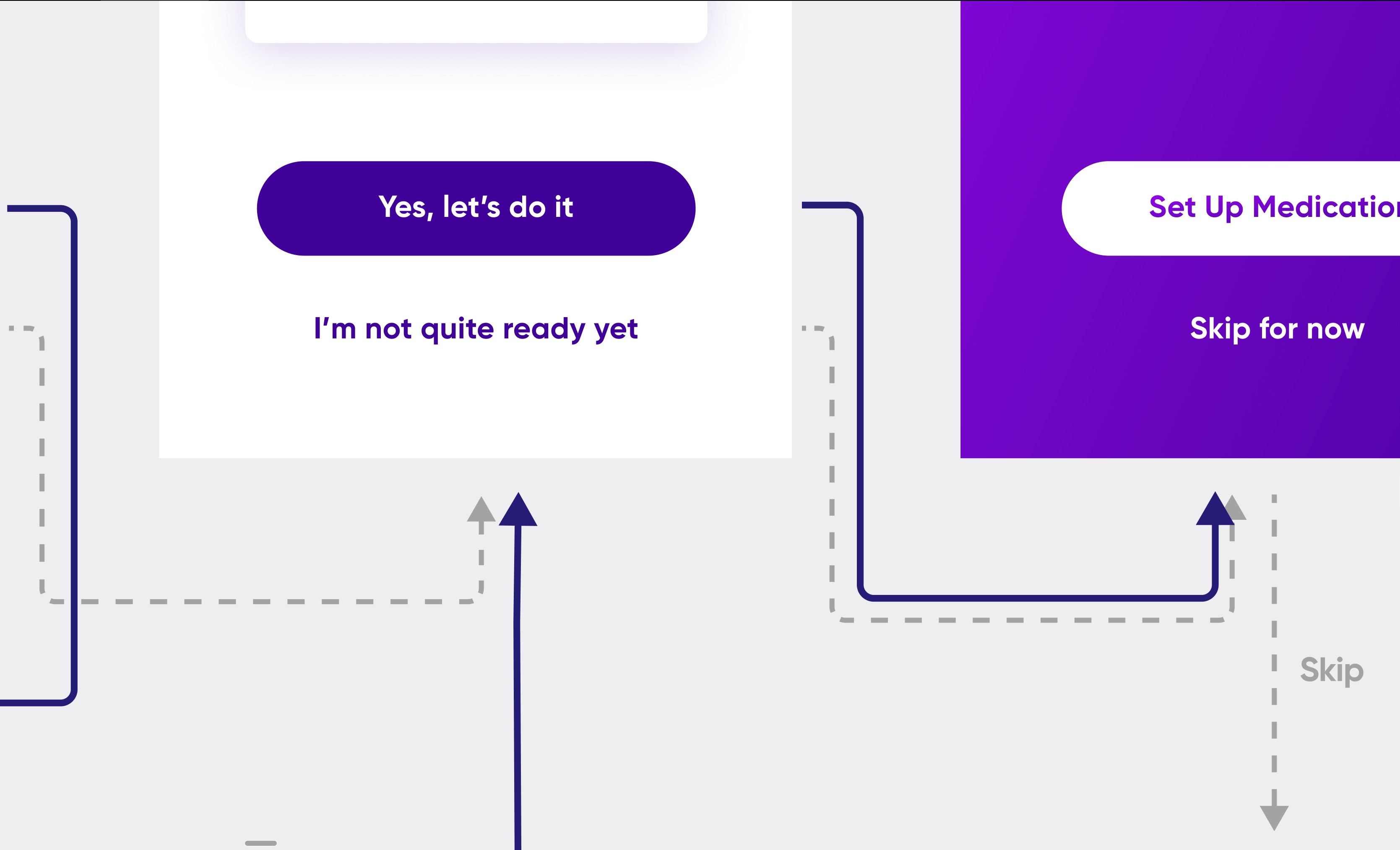
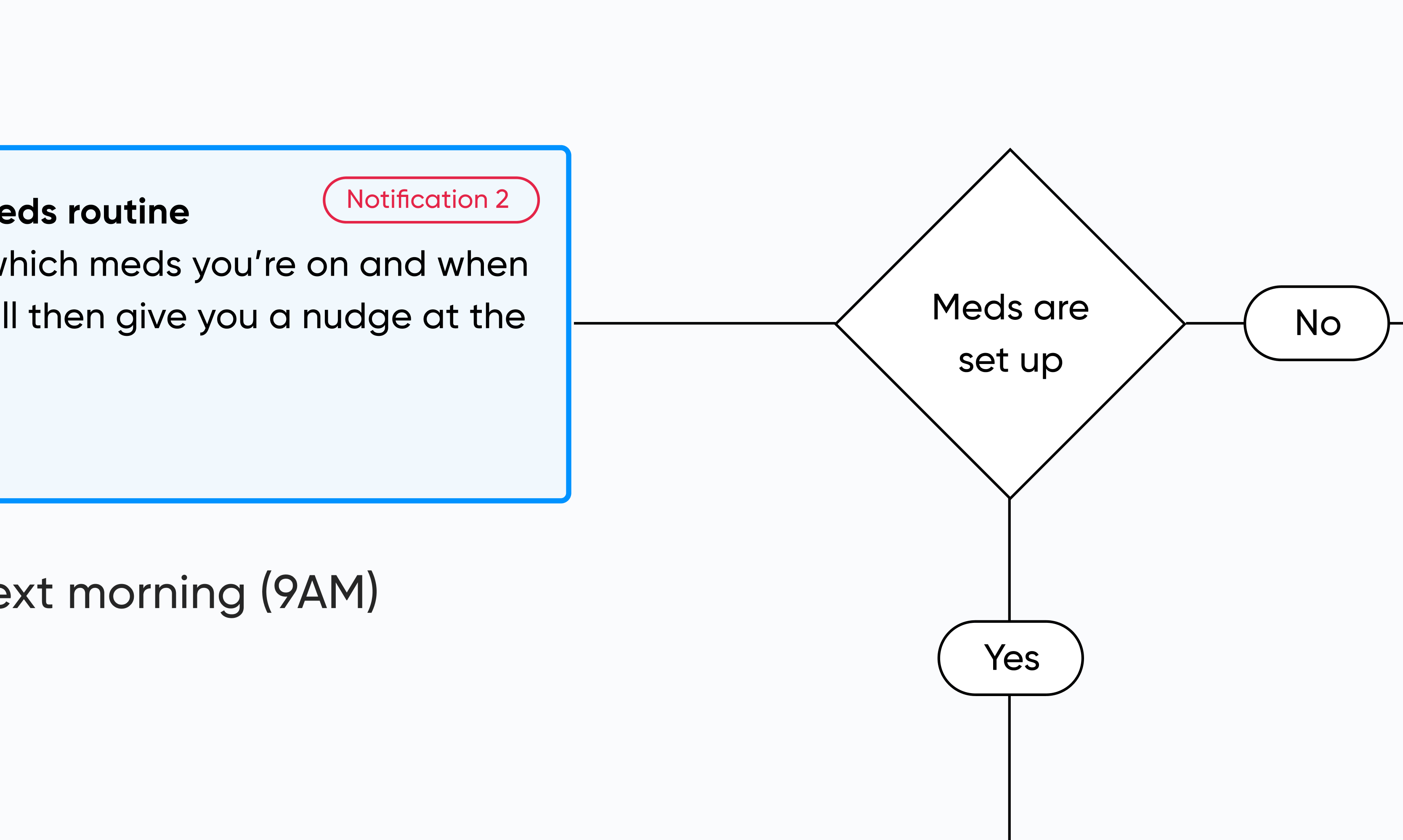
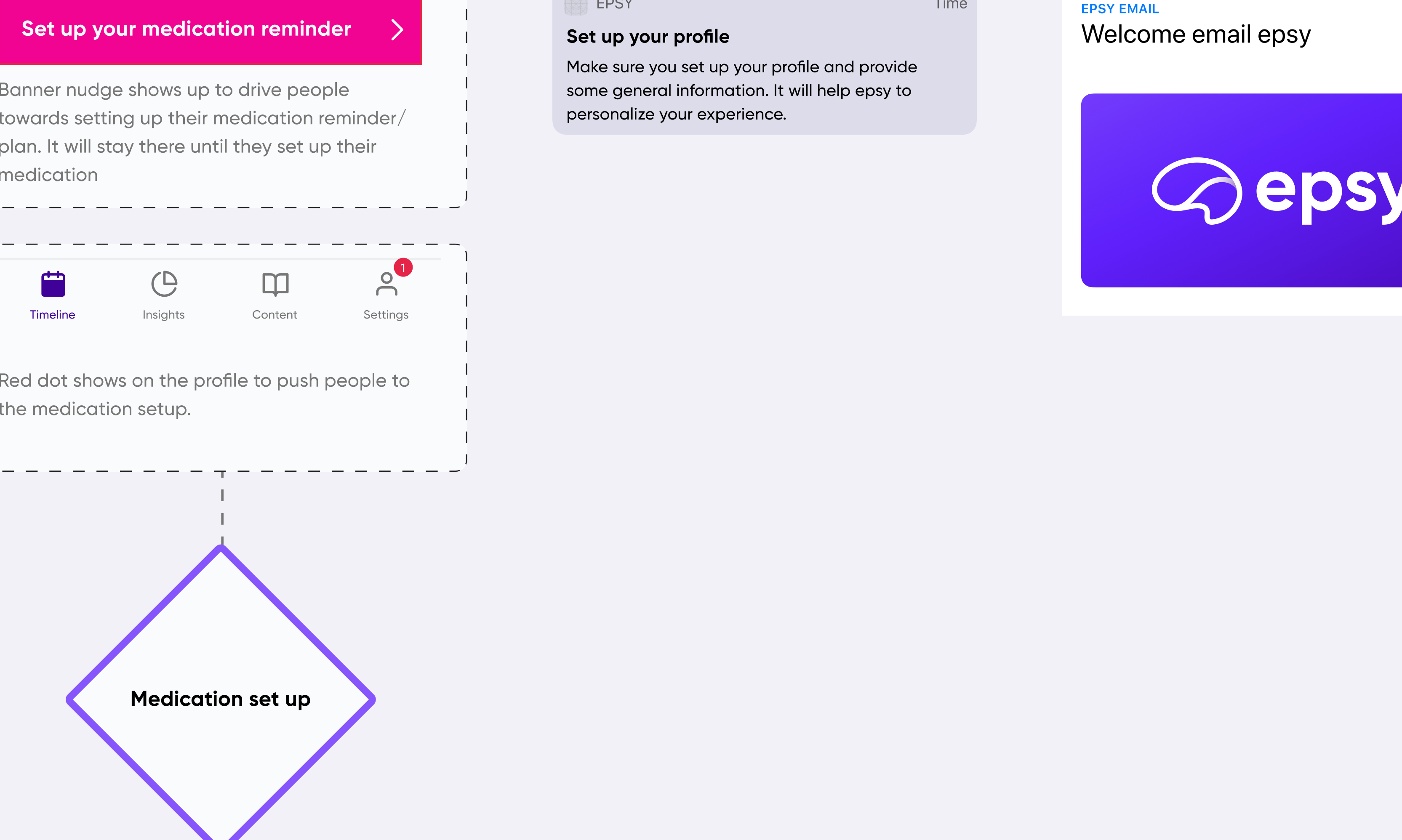
Great products don't happen by accident. Here's a glimpse into the information architecture, notification systems, and onboarding flows that make Epsy feel seamless.